





The GE IS200TRLYS1B is a Relay Output Terminal Board (TRLY) designed for the GE Mark VI and Mark VIe Speedtronic turbine control systems. This robust termination board interfaces relay output signals from the controller to field devices, providing reliable isolation and switching for discrete control actions in critical applications such as fuel solenoids, emergency shutdown systems, valve actuation, and auxiliary equipment.
.jpg)
.jpg)
There are still some products that have not been listed yet. For more information, please contact us. If the product model does not match the displayed picture, the actual model shall prevail. Please consult us for specific product images; We will arrange for the warehouse to take photos for confirmation. We have 76 shared warehouses worldwide, so it may take several hours to accurately respond to your message. We deeply apologize for any inconvenience caused to you. Of course, we will process your inquiry as soon as possible.
The GE IS200TRLYS1B is a Relay Output Terminal Board (TRLY) designed for the GE Mark VI and Mark VIe Speedtronic turbine control systems. This robust termination board interfaces relay output signals from the controller to field devices, providing reliable isolation and switching for discrete control actions in critical applications such as fuel solenoids, emergency shutdown systems, valve actuation, and auxiliary equipment. The GE IS200TRLYS1B features multiple relay outputs with high-density screw-type terminal blocks for secure field wiring and supports both simplex and TMR (Triple Modular Redundant) configurations common in gas, steam, and wind turbine environments. Its large rectangular PCB layout includes vertically oriented terminal blocks and various electronic components for signal conditioning and protection. Engineers and maintenance teams trust the GE IS200TRLYS1B for its durability, easy integration with Mark VI/Mark VIe I/O packs, and proven performance in high-vibration, high-reliability power generation settings. The GE IS200TRLYS1B plays an essential role in ensuring safe, accurate discrete output control while minimizing wiring complexity in turbine control cabinets.
.jpg "IS200TRLYS1B")
.jpg "IS200TRLYS1B")
Mount the GE IS200TRLYS1B securely in the Mark VI/Mark VIe I/O cabinet using appropriate hardware.
Connect the relay output signals from the associated I/O pack or controller to the board's input side.
Wire field devices (solenoids, relays, valves, etc.) to the two vertical screw terminal blocks, following phase/polarity markings.
Configure the board for simplex or TMR operation via system software or jumpers if applicable.
Power up the Mark VIe control system and verify board recognition through ToolboxST or HMI diagnostics.
Test individual relay outputs by forcing discrete commands from the controller and confirming field device response.
Integrate into the turbine control logic for normal sequencing, protection, and shutdown functions.
Fully de-energize the Mark VI/Mark VIe system and lock out/tag out all power sources before handling or wiring the GE IS200TRLYS1B to avoid electrical shock or arc flash hazards.
Use ESD protection (wrist strap and grounded workstation) when installing the board to protect sensitive relay and circuitry components.
Ensure correct alignment and secure connection of all cables from the I/O pack to the terminal board.
Tighten terminal screws to the manufacturer-specified torque to prevent loose connections under vibration.
Verify wiring polarity and load ratings (voltage/current) do not exceed the relay contact specifications to avoid damage or false trips.
Route field cables separately from high-voltage power lines and use shielded wiring where noise immunity is required.
Perform a visual inspection of all terminals and a continuity check after wiring but before applying system power.
Visually inspect the GE IS200TRLYS1B and its terminal blocks daily for dust, corrosion, loose wires, or signs of overheating on relay contacts.
Monitor Mark VI/Mark VIe system diagnostics and alarm logs for any relay output faults, coil failures, or contact status discrepancies.
Check relay actuation trends via the HMI or ToolboxST to detect sticking contacts or abnormal switching behavior.
Ensure proper cabinet ventilation and temperature control to keep the board within recommended operating limits.
Clean dust and debris from the board surface and terminals (system powered off) using low-pressure compressed air every 1–3 months.
Periodically test relay outputs during scheduled outages by forcing commands and verifying field device operation.
Review and update system configuration backups; inspect relay contact wear during preventive maintenance to maintain reliable discrete control.
Do you provide global shipping services?
Yes. We have local distribution centers on all continents, which can quickly transport parts to any corner of the world.
2. What payment methods and currencies do you accept?
To make your purchasing process as simple as possible, we offer multiple payment methods including bank transfer, check, and PayPal. Meanwhile, we also accept most mainstream credit and debit cards, such as Visa, Mastercard, and American Express. We can accept payments in most major currencies worldwide, but we recommend using US dollars (USD), British pounds (GBP), or euros (EUR) as a priority. Payments in other currencies may incur additional fees. All transactions are securely processed by HSBC Bank and HSBC Merchant Services.
How many parts do you currently have in stock?
We have a vast inventory of thousands of new, refurbished, and outdated automation components, including products from well-known manufacturers such as ABB and Schneider. If you cannot find the required parts, please do not worry. We work closely with a global network of professional suppliers to provide you with tailored quotes even if the part is not listed on our website.
Who can I contact if I encounter any problems?
Our experienced customer service team will handle any issues after you place your order.


 WhatsApp
 WeChat
Copyright © 2026 Guangzhou Qiming Automation Technology Co., Ltd


 TOP
TOP Home
Home Consult Now
 Back to list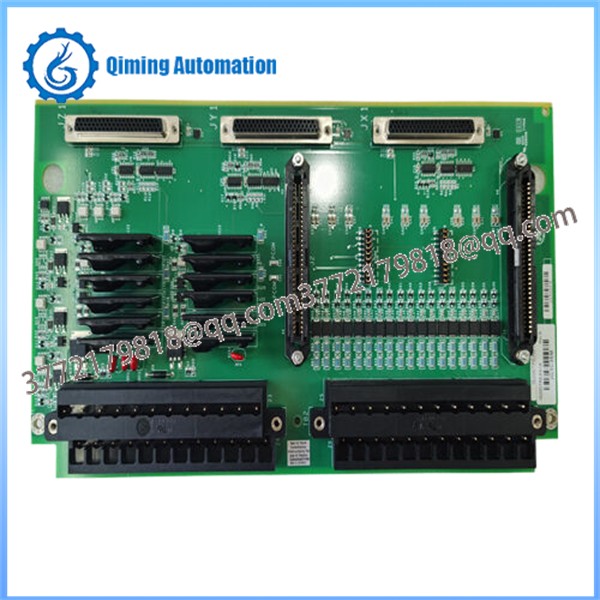
.jpg)
.jpg)
.jpg)
